

What is Total Productive Maintenance (TPM)?
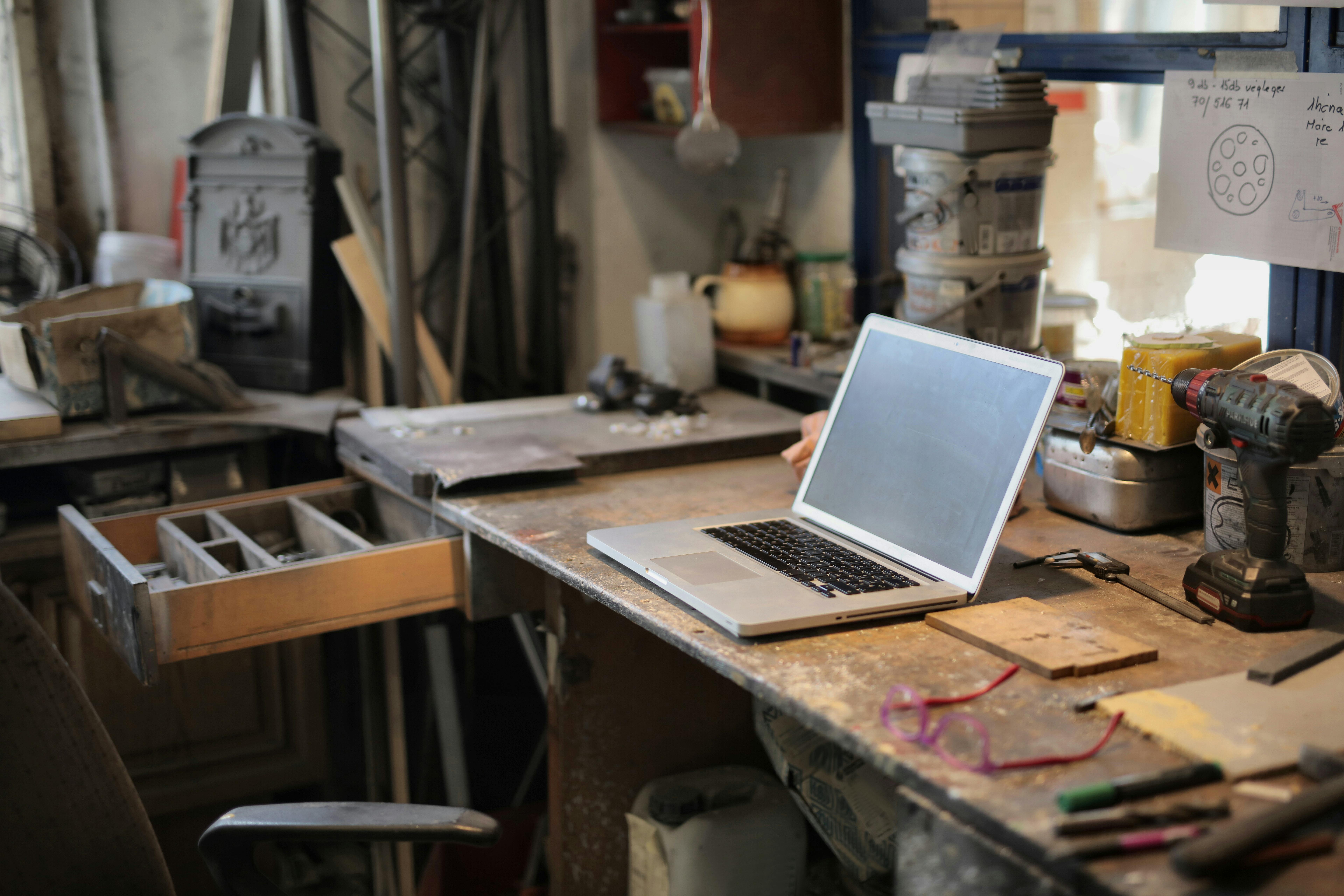
Total Productive Maintenance (TPM) can be considered as the medical science of machines. It is a maintenance program that introduces a new concept for maintaining manufacturing plants, equipment, and production systems.
The primary objective of TPM is to significantly increase production while simultaneously improving employee morale, workplace safety, and job satisfaction. Rather than treating maintenance as a separate activity, TPM integrates maintenance into the overall production process.
Downtime for maintenance is carefully planned as part of normal operations, reducing unexpected breakdowns and emergency repairs. This proactive approach helps organizations maximize equipment reliability and production efficiency.
TPM creates a workplace where operators, maintenance personnel, and management work together to eliminate equipment failures, reduce defects, improve productivity, and achieve continuous improvement throughout the organization.

TOTAL PRODUCTIVE MAINTENANCE (TPM) PROCESS

Objectives of Total Productive Maintenance (TPM)
The primary objective of Total Productive Maintenance (TPM) is to maximize equipment effectiveness by minimizing equipment failures, production losses, defects, breakdowns, and unplanned downtime. TPM encourages every employee—from top management to machine operators—to participate actively in maintaining equipment and improving overall productivity.
TPM focuses on creating a proactive maintenance culture where preventive and predictive maintenance become part of everyday operations. This helps organizations improve production efficiency, product quality, equipment reliability, and workplace safety.
Key Objectives of TPM
- Maximize Overall Equipment Effectiveness (OEE).
- Eliminate equipment breakdowns and production losses.
- Reduce defects and improve product quality.
- Increase equipment reliability and availability.
- Improve employee involvement and ownership.
- Enhance workplace safety and operational efficiency.
Benefits of Total Productive Maintenance
- Reduced equipment downtime.
- Increased production efficiency.
- Improved product quality.
- Lower maintenance costs.
- Better employee participation.
- Enhanced workplace safety.
- Longer equipment life.
- Higher customer satisfaction.
Eight Pillars of Total Productive Maintenance (TPM)
Total Productive Maintenance (TPM) is built around eight key pillars that work together to improve equipment effectiveness, eliminate losses, increase productivity, and create a culture of continuous improvement throughout the organization.
1. Autonomous Maintenance (Jishu Hozen)
Operators take ownership of routine maintenance activities such as cleaning, lubrication, inspection, and minor repairs. This improves machine reliability while allowing maintenance teams to focus on complex technical issues.
2. Focused Improvement (Kaizen)
Small, continuous improvements are implemented by cross-functional teams to eliminate recurring equipment losses, reduce waste, and improve productivity and efficiency.
3. Planned Maintenance
Planned maintenance schedules preventive and predictive maintenance activities based on equipment condition and historical performance, helping minimize unexpected breakdowns and production interruptions.
4. Quality Maintenance
Quality maintenance focuses on maintaining equipment conditions that consistently produce defect-free products. It helps reduce process variation, improve product quality, and enhance customer satisfaction.
TPM IMPLEMENTATION PROCESS
5. Education and Training
Education and Training ensure that employees possess the knowledge, technical skills, and competencies required to operate, maintain, and improve equipment efficiently. Regular training programs help reduce human errors, improve safety, and develop a culture of continuous learning within the organization.
6. Early Equipment Management
Early Equipment Management focuses on designing and installing new equipment that is easier to operate, maintain, and improve. Organizations apply lessons learned from existing equipment to reduce startup issues, increase reliability, and achieve faster production readiness.

7. Office TPM
Office TPM extends TPM principles beyond production areas to administrative and support functions. It improves workflow, eliminates unnecessary activities, reduces paperwork, enhances communication, and increases overall organizational efficiency.
8. Safety, Health and Environment
This pillar focuses on creating a safe and healthy workplace while protecting the environment. Organizations work towards achieving zero accidents, zero occupational illnesses, and zero environmental incidents by implementing effective safety practices and promoting employee awareness.
Benefits of Total Productive Maintenance (TPM)
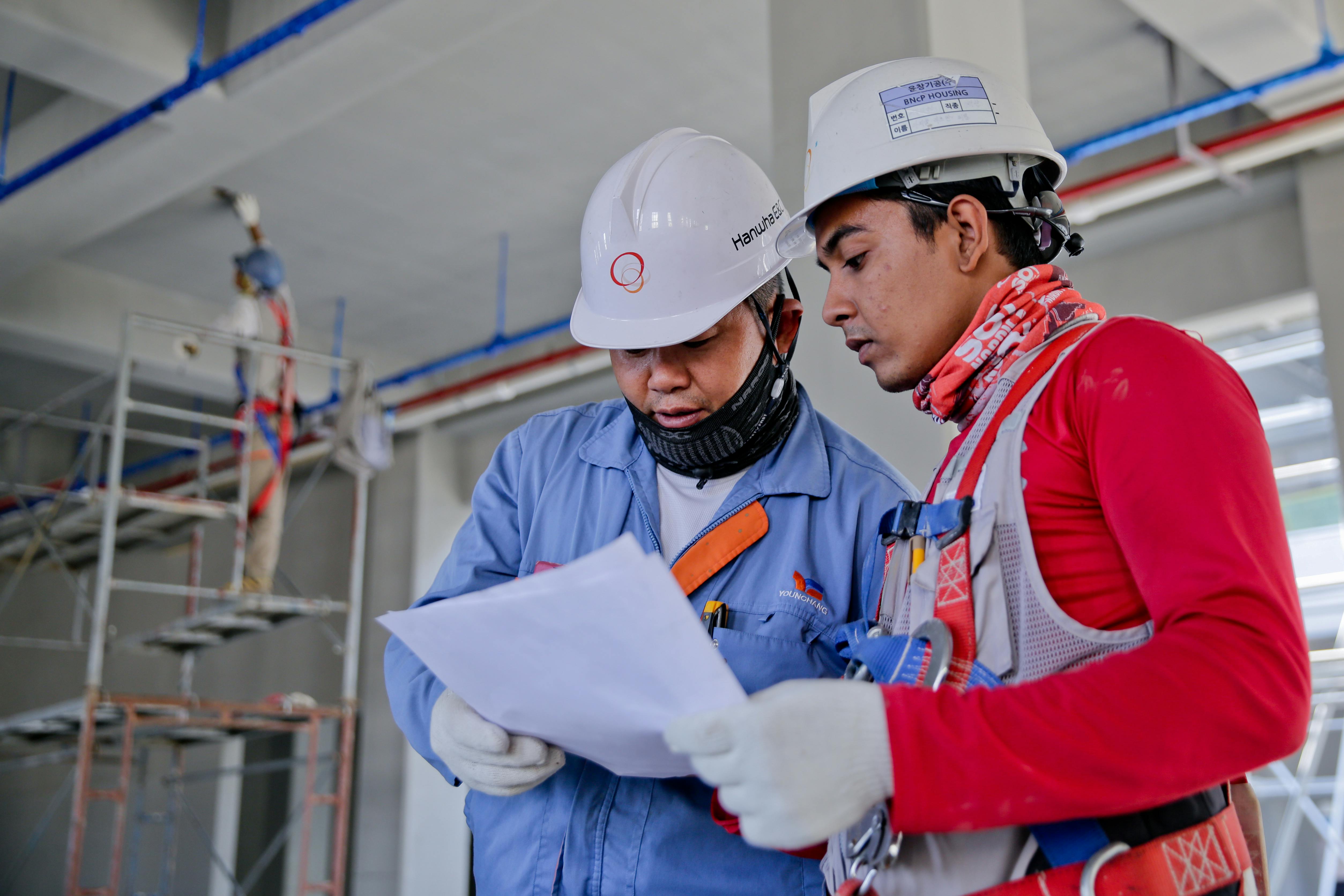
Implementing Total Productive Maintenance (TPM) offers significant advantages for organizations by improving equipment reliability, reducing operational losses, and increasing overall productivity. TPM promotes a proactive maintenance culture where every employee contributes to continuous improvement and operational excellence.
- Increased Overall Equipment Effectiveness (OEE).
- Reduced machine breakdowns and unplanned downtime.
- Improved product quality with fewer defects.
- Lower maintenance and operating costs.
- Increased productivity and manufacturing efficiency.
- Better employee engagement and teamwork.
- Enhanced workplace safety and environmental performance.
- Longer equipment life and improved asset utilization.
Why TPM is Important
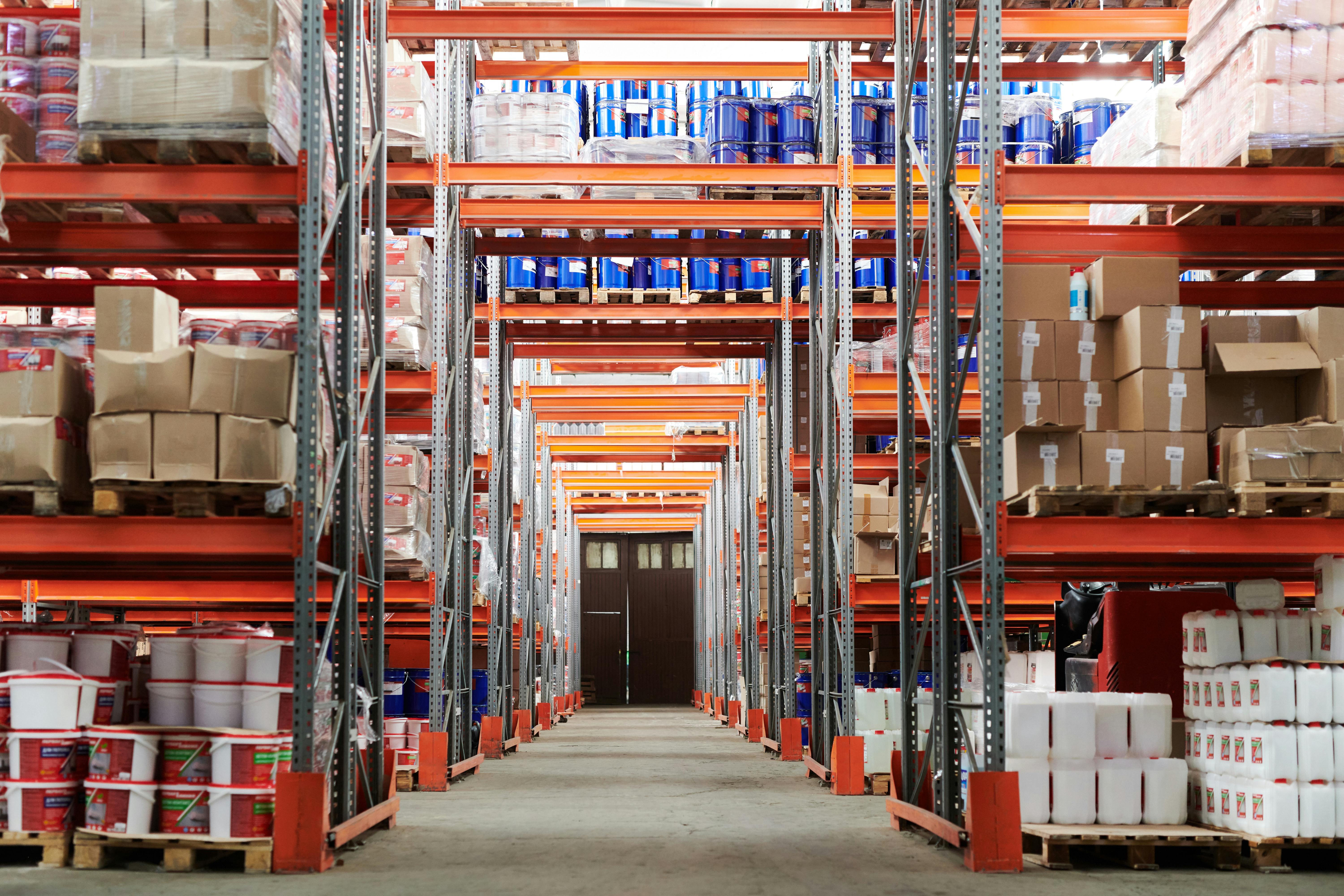
In today's competitive manufacturing environment, organizations must continuously improve equipment performance while maintaining high product quality and operational efficiency. TPM helps organizations eliminate losses, improve reliability, reduce waste, and build a culture of continuous improvement.
By involving operators, maintenance personnel, engineers, and management, TPM creates a collaborative approach that improves productivity, reduces costs, increases customer satisfaction, and supports long-term business success.
Why Choose Ascent Inspecta?
At Ascent Inspecta, we help organizations successfully implement Total Productive Maintenance (TPM) through expert consulting, customized maintenance strategies, documentation support, employee training, performance evaluation, and continuous improvement initiatives.
Our experienced consultants work closely with organizations to improve equipment reliability, reduce downtime, increase productivity, and build a proactive maintenance culture. We provide practical TPM solutions that align with your operational goals and industry requirements.
Whether your organization is introducing TPM for the first time or strengthening an existing maintenance system, Ascent Inspecta offers end-to-end guidance to help you achieve operational excellence, maximize Overall Equipment Effectiveness (OEE), and sustain long-term business growth.

Conclusion
Total Productive Maintenance (TPM) is a proven approach that helps organizations improve equipment performance, reduce operational losses, and establish a culture of continuous improvement. By involving every employee in maintenance activities, TPM enhances productivity, product quality, workplace safety, and overall business efficiency.
Organizations that successfully implement TPM benefit from higher equipment availability, lower maintenance costs, improved customer satisfaction, and sustainable operational excellence. Investing in TPM is not just about maintaining machines—it is about building a reliable, efficient, and competitive organization prepared for long-term success.
Get in Touch! Ask us any question/query on +91-9867-180-395. We would be happy to answer your concerns. You can also drop an email at info@ascentinspecta.com